High-Mountain Taiwanese Oolong: Why Elevation Chan
- In Taiwan, high-mountain oolong generally means tea grown above about 1000 metres, where cooler fog and shorter sunlight soften bitterness and lift sweetness.
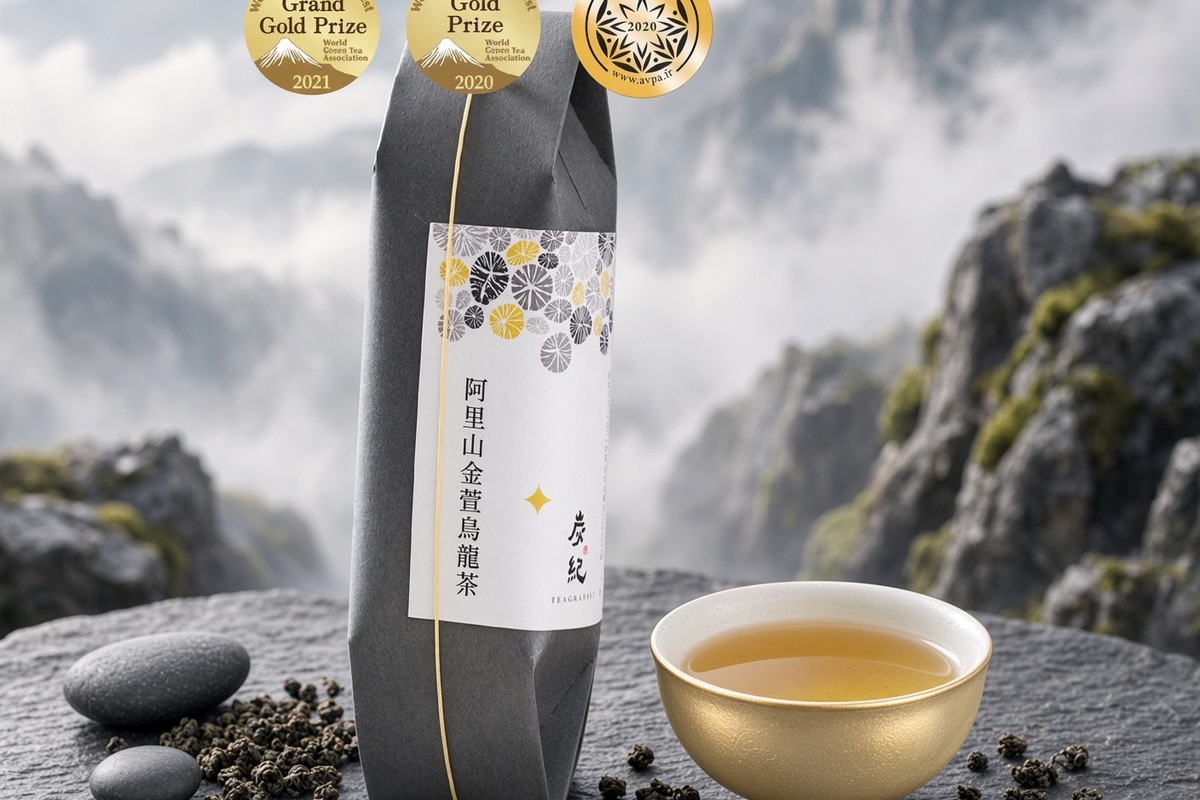
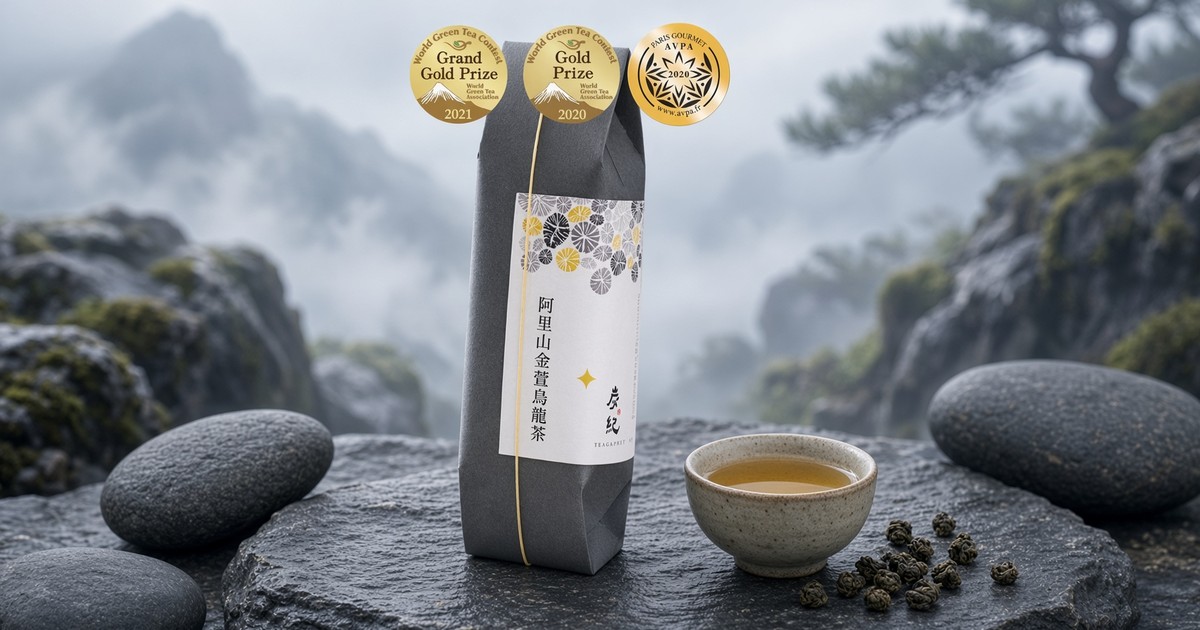
- Teagraphy’s Alishan Jin Xuan comes from gardens at 1300–1500 m; Alishan Qingxin from 1500–1700 m; Dayuling high-cold tea from about 2400–2500 m.
- Higher gardens tend to lower catechins and raise theanine and pectin—yielding a melting, mellow liquor after charcoal finishing.
- All Teagraphy high-mountain lots are hand-picked in limited seasons and finished over longan wood charcoal by experienced masters.
- Nantou’s wider tea culture—from Mingjian’s 400 m Four Seasons gardens to alpine Alishan—shows how elevation rewrites the same charcoal craft.
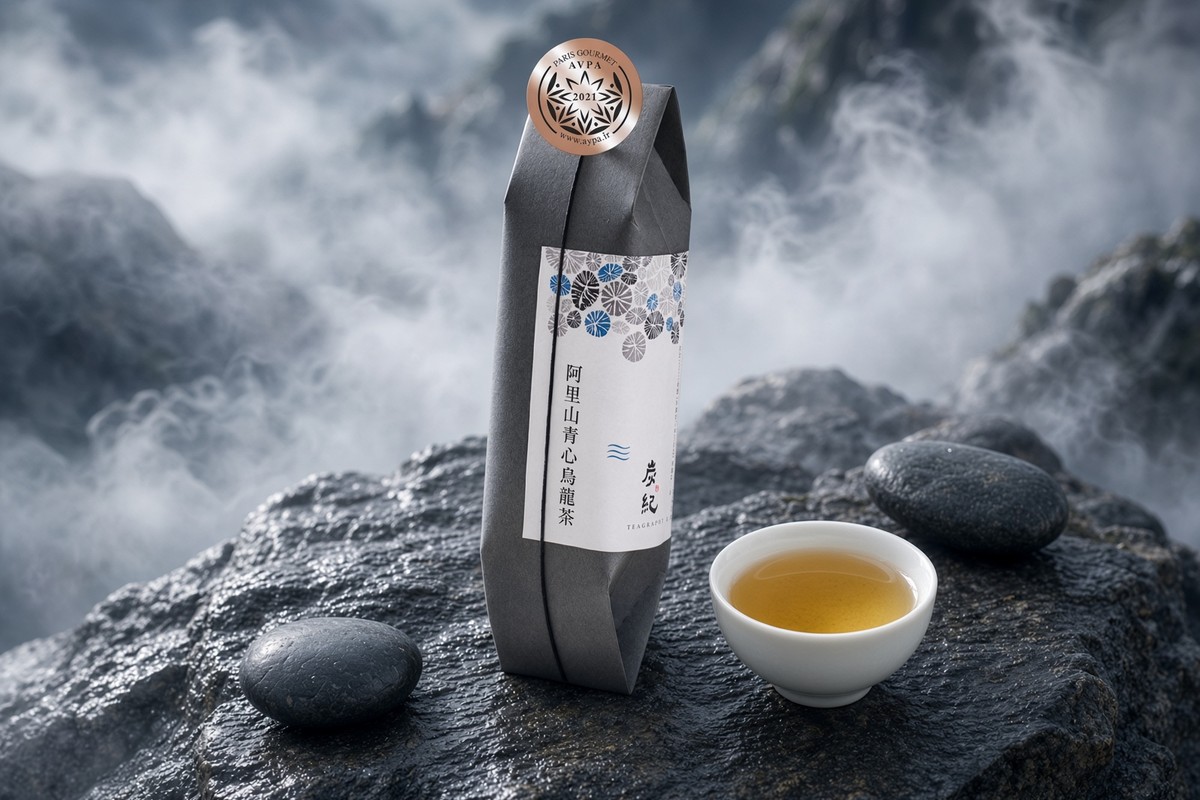
High-mountain Taiwanese oolong is tea grown generally above 1000 metres, where cool fog and short sunlight rewrite the chemistry of the leaf. Elevation does not just sound prestigious—it changes how soft, sweet, and lingering the cup feels after charcoal roasting.
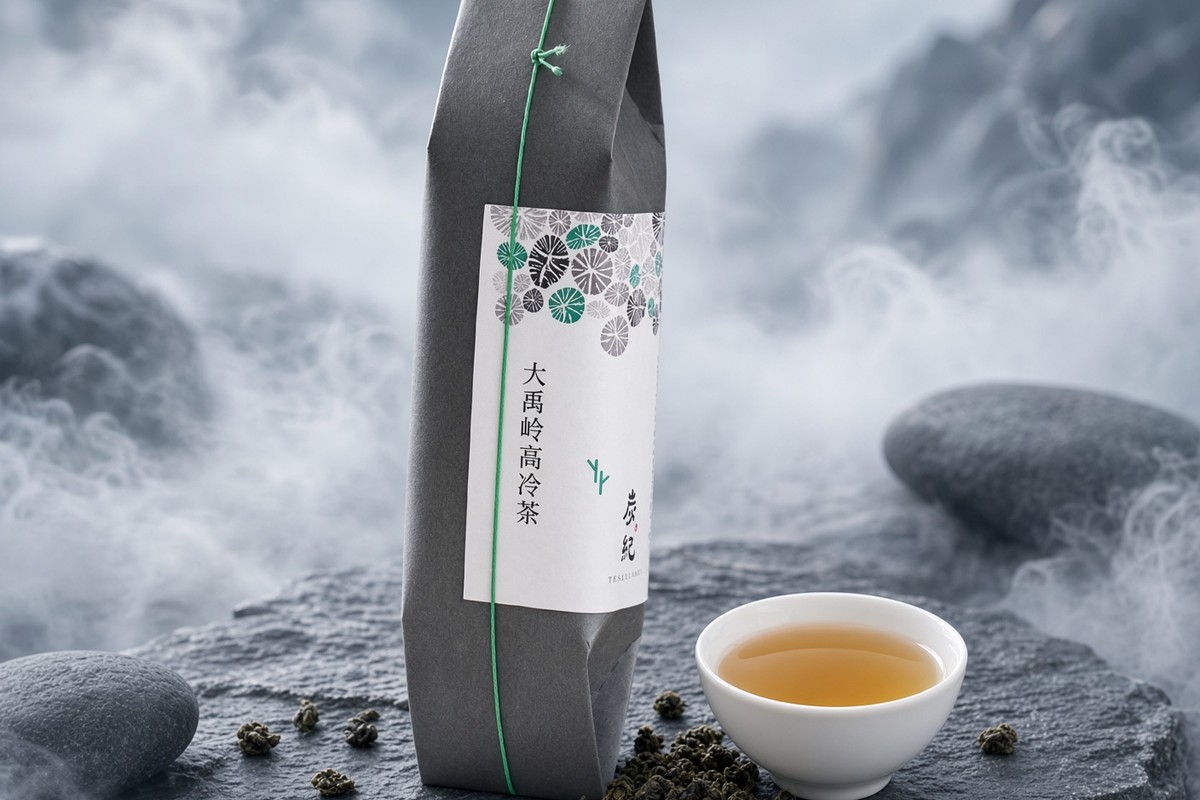
Why height softens the cup
On Teagraphy’s Japanese produ
Charcoal still matters at altitude
Even at alpine elevations, Teagraphy finishes leaf over longan wood charcoal. Far-infrared heat reaches stem and leaf so off-notes lift and natural sweetness comes forward—without erasing the mountain’s fresh, floral clarity. That is why a high-mountain cup can taste both airy and quietly roasted.
Nantou tea culture, two elevations
Teagraphy’s story also includes lower Mingjian gardens around 400 m—home of the Four Seasons seriesand the fog-rich climate of Nantou more broadly: wide day–night swings, afternoon mist, and leaves that grow slowly with more amino acids and pectin. High-mountain lots are the alpine chapter of the same culture of patience.
How to choose
Choose Alishan Jin Xuan when you want milky softness; Alishan Qingxin for floral nobility; Dayuling when you want the rarest high-cold profile. Pair any of them with Teagraphy’s charcoal craft notes to understand why elevation and fire belong in the same cup.
Browse Teagraphy oolong See high-mountain details on teagraphy.jp
ct pages, high-mountain tea is defined as oolong cultivated above 1000 m. Limited alpine land and short harvest windows mean leaves are all hand-picked. Strong day–night temperature swings and reduced sunlight lower bitterness-linked catechins while raising sweetness-linked theanine. Soft, thick leaves also store more pectin, so the liquor can feel melting and mellow rather than sharp.
Alishan and Dayuling on the Teagraphy map
Numbers below are taken from official teagraphy.jp product blurbs—not estimates:
- Alishan Jin Xuan Oolong — gardens at 1300–1500 m; natural milky sweetness, elegant aroma, long finish; roast about 6 hours; fermentation about 20–25%.
- Alishan Qingxin Oolong — gardens at 1500–1700 m; smooth throat-feel, noble floral aroma, deep aftertaste; roast about 6 hours.
- Dayuling high-cold tea — about 2400–2500 m; extremely small yield; Qingxin cultivar; light roast about 4 hours; known for cooling clarity and lasting fragrance across many infusions.